


Daylight Saving Time (DST) begins on March 9th, 2024. Learn about the potential health impacts of the time change, including sleep disturbances and increased risk of heart attacks. Discover tips from sleep experts on how to adjust to the shift.
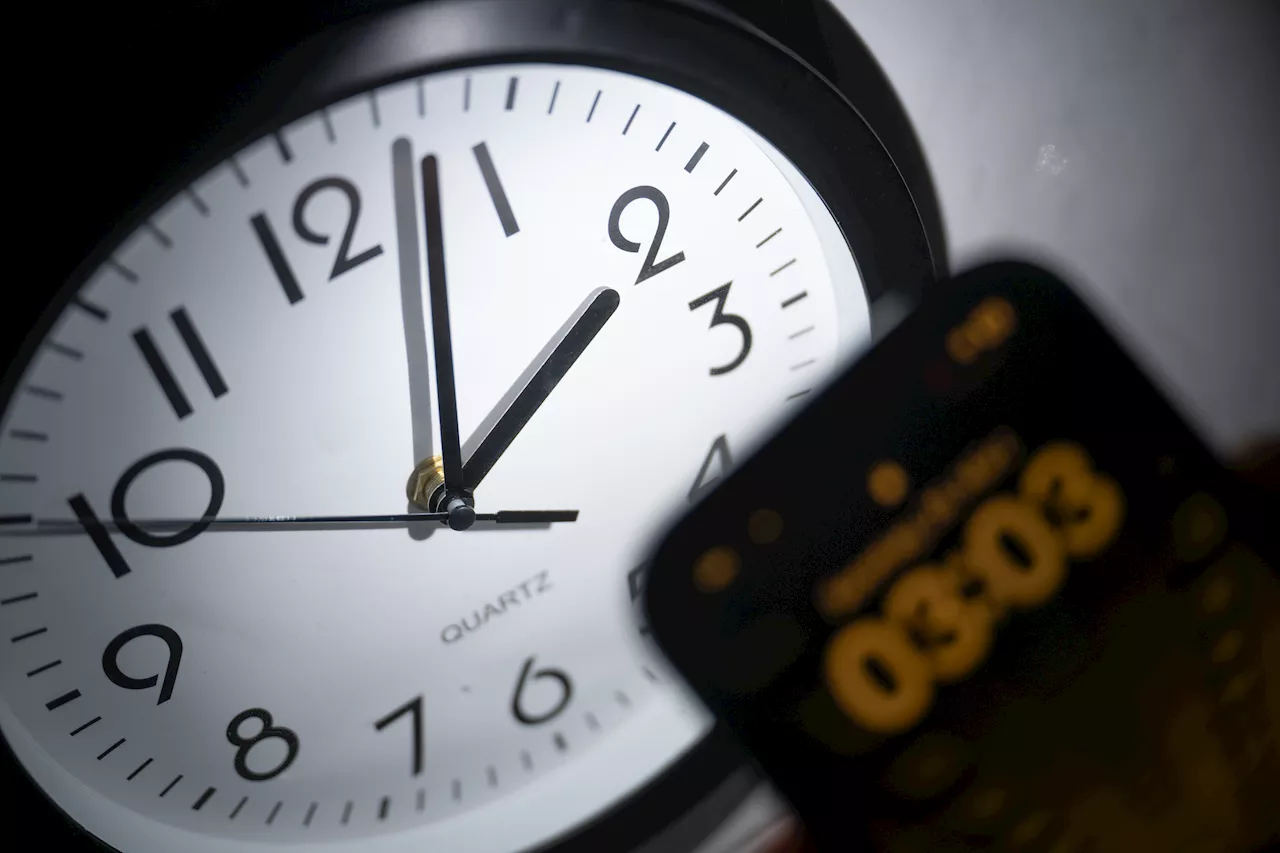
Daylight saving time begins at 2 a.m. on Sunday, March 9, for most of the US, signifying the transition to spring forward and the loss of an hour to optimize daylight utilization and conserve energy. DST , which extends until Sunday, November 2, remains a subject of debate due to research suggesting its potential to significantly disrupt the sleep-wake cycle, potentially elevating the risks of heart attacks and stroke.
How does DST affect the body? Although we are only losing an hour of sleep, the health impacts will be noticeable for the initial week. The time change can influence our hunger cues, fatigue levels, and concentration abilities due to disruptions in the body's natural circadian rhythm. Circadian rhythm, essentially our body's internal 24-hour clock, governs more than just sleep-wake cycles. It also regulates our mealtimes, body temperature, and hormonal fluctuations throughout the day. Because clocks advance an hour, sunrise appears to occur later in the day, diminishing the opportunity for morning light exposure. Natural sunlight is crucial for circadian rhythm regulation. Exposure to bright morning light boosts cortisol production, signaling the time to wake up, enhancing alertness, and setting the stage for better sleep at night. Adjust your sleep schedule Dr. Alcibiades Rodriguez, director of sleep medicine at NYU Grossman School of Medicine, offers three tips for preserving sleep as DST approaches. There is some evidence that DST is detrimental to our health compared to standard time, as it is associated with an increased risk of heart attacks. We can mitigate these disruptions by going to bed 15 to 20 minutes earlier and waking up 15 to 20 minutes earlier every day this week until Sunday. However, avoid making drastic changes all at once. Maintain your typical work schedule, exercise routine, and diet to prevent overwhelming your body. Additionally, avoid caffeine, a stimulant, and alcohol, a sedative that can disrupt sleep, in the later part of the day. Refrain from constantly checking the clock. Dr. Rodriguez is an associate professor of neurology and the director of sleep medicine at NYU Grossman School of Medicine. He treats patients for a variety of sleep and neurological disorders and serves as the medical director of the NYU Langone Sleep Disorders Center
Daylight Saving Time DST Sleep Health Circadian Rhythm
Australia Latest News, Australia Headlines
Similar News:You can also read news stories similar to this one that we have collected from other news sources.
 Daylight Saving Time to Continue in 2025 Despite Trump's StanceAlthough former President Trump expressed a desire to end Daylight Saving Time, the time change will proceed as usual in 2025. The article explains the history of Daylight Saving Time, its implementation in the United States, and its continued observation in most states.
Read more »
 Texas Lawmakers Seek to End Time ChangesTexas lawmakers are pushing legislation to eliminate the twice-yearly practice of changing clocks for daylight saving time. Some bills aim for year-round daylight saving time, while others propose a vote for Texans to decide between year-round standard time or daylight saving time.
Read more »
 Trump Aims to Eliminate Daylight Saving TimeFormer President Donald Trump has expressed his desire to abolish daylight saving time, citing its inconvenience and cost to the nation. This comes amidst ongoing discussions about the potential health and economic benefits of ending the practice. While the U.S. Senate passed the Sunshine Protection Act in 2022 to make daylight saving time permanent, the bill stalled in the House. Several states have taken legislative action to stay on either standard or daylight saving time, but federal law currently prevents year-round daylight saving time.
Read more »
 Daylight Saving 2025: When does daylight savings start, end this year?The start of Daylight Saving Time and the arrival of spring are just weeks away. Everything you need to know about DST 2025.
Read more »
 Daylight Saving Time 2025: When does the time change?Most Americans will set their clocks forward by one hour on Sunday, March 9, 2025. While we’ll lose some sleep, we’ll gain more sunlight in the evenings as the days warm into summer.
Read more »
 Daylight Saving Time 2025: When it Starts and Ends, and the History Behind the Time ChangeThis article provides details about Daylight Saving Time 2025, including its start and end dates, the history behind the practice, and the ongoing debate surrounding it.
Read more »