
A government-appointed taskforce says a special aged care levy would not be fair to future generations when older Australians are retiring with growing levels of wealth.
Wealthy Australians should draw down their superannuation and pay more for their aged care costs – particularly their everyday living expenses such as meals, laundry and cleaning – a major review of aged care funding has told the Albanese government.
The taskforce said there was a strong case for increasing co-contributions for those with the means to do so.Over the next decade alone, the independent Parliamentary Budget Office estimates the cost of aged care will climb by more than 82 per cent – or almost $29 billion – to $63.6 billion in 2033-34.
While the taskforce supported the government maintaining its central role in funding aged care, it said it did not back a specific tax increase for future aged care costs, such as a Medicare-style levy“There are substantial intergenerational equity issues in asking the working age population, which is becoming proportionally smaller, to pay for these services,” it said.
“Superannuation trends, combined with high asset wealth through the family home and other investments, mean increasingly people still have accumulated wealth and income streams when they need to access aged care services,” the report said. At the moment, there is a means test for “care costs”, which requires some people to contribute out of their own pocket, but this is limited to around $33,000 a year, or $78,500 over a lifetime. The basic daily living fee is also capped: set at 85 per cent of the age pension, or about $61 a day.
Australia Latest News, Australia Headlines
Similar News:You can also read news stories similar to this one that we have collected from other news sources.
 These are the best countries for wealthy expatsThe growing wealth gap in many western countries is pushing some to restrict tax and citizenship benefits aimed at expats. So where can they go to protect their assets?
Read more »
 More Australians Struggling with Mortgage Repayments, Economic Watchdogs WarnThe Council of Financial Regulators has reported a rise in the number of hardship applications for mortgage relief in Australia, indicating that more Australians are falling behind on their mortgage repayments due to inflation and high-interest rates.
Read more »
 Young Australians hit hardest by cost-of-living crunch, new study revealsNew research found 77 per cent of Australia&x27;s Generation Z were facing money worries.
Read more »
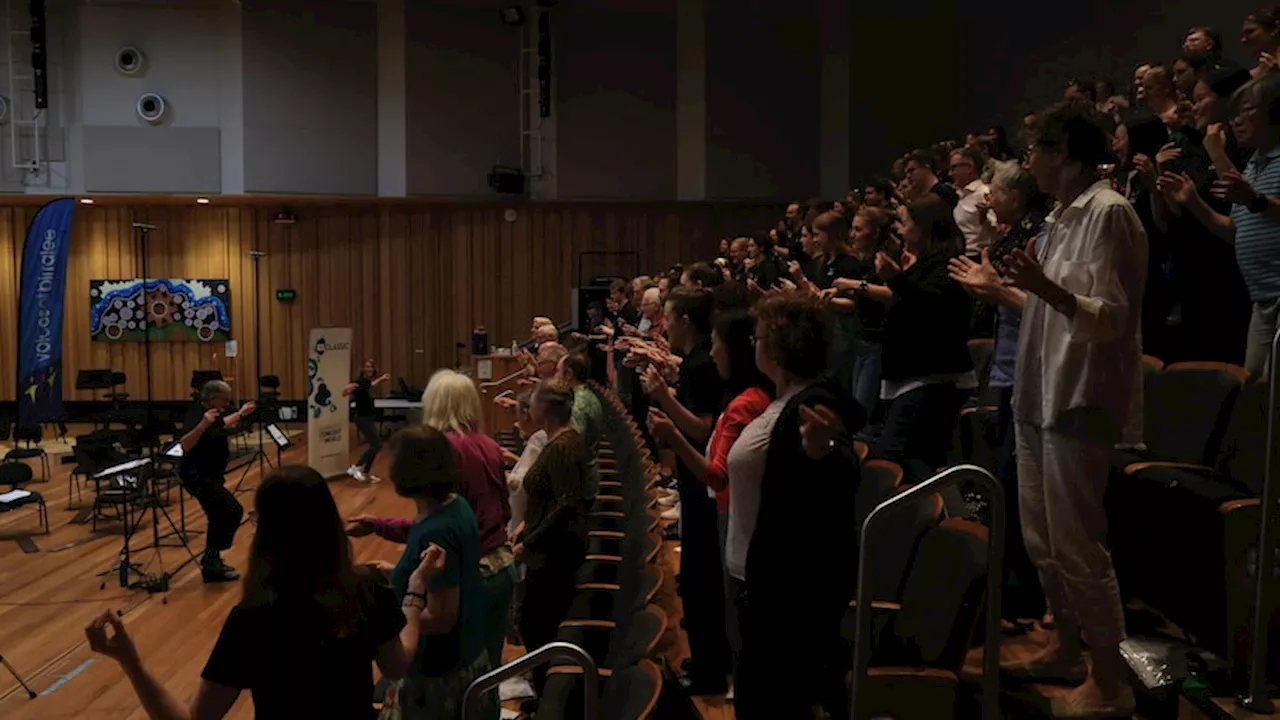 Australians singing their way to a shared ChristmasSharing a feed, being outdoors, and spending time with loved ones: Australians are singing together about the unique experience of Christmas Down Under in the ABC Classic Choir.
Read more »
 Carey’s missteps put Australians under pressureAlex Carey’s drop of Tom Latham in the final 15 minutes of play ended a day that placed the wicketkeeper in sharp focus.
Read more »
 Australians can sometimes struggle to come off antidepressants, leading them to go searching online for helpAbout one in seven Australians are on antidepressants. But there's relatively little official advice for coming off them, meaning people who are trying to taper off their dosage are turning to new apps to help.
Read more »