
With sharemarkets such as Australia’s and many developed-country markets, trading at or near record highs, returns could pull back.
The typical super balanced investment option has maintained momentum following last year’s bumper return of 9.6 per cent, with a return of 1.8 per cent in February, following a return of 1.1 per cent in January.
He is expecting a continuing rising trend this year in shares; though share prices remain vulnerable to a correction, or at least a period of consolidation. Balanced options in the accumulation phase have produced an average annual compound return of 7 per cent over the 10 years to the end of February, and 6.7 per cent over 5 years.
Those closer to accessing their super should exercise a bit more caution, and should consult their super fund or financial adviser, Lowen says.
Australia Latest News, Australia Headlines
Similar News:You can also read news stories similar to this one that we have collected from other news sources.
 Why Bolsonaro failed to overthrow democracy – and why a threat remainsFederal Police arrested some of Bolsonaro’s closest aides and carried out search warrants against former ministers and high-ranked military officers. The allegation: plotting a coup.
Read more »
 Why strong super gains are set to continue, for nowWith sharemarkets such as Australia’s and many developed-country markets, trading at or near record highs, returns could pull back.
Read more »
 What’s a retirement bonus and why is your super fund offering one?Super funds are paying out millions of dollars in retirement “bonuses”. But what are they, and does your fund offer one?
Read more »
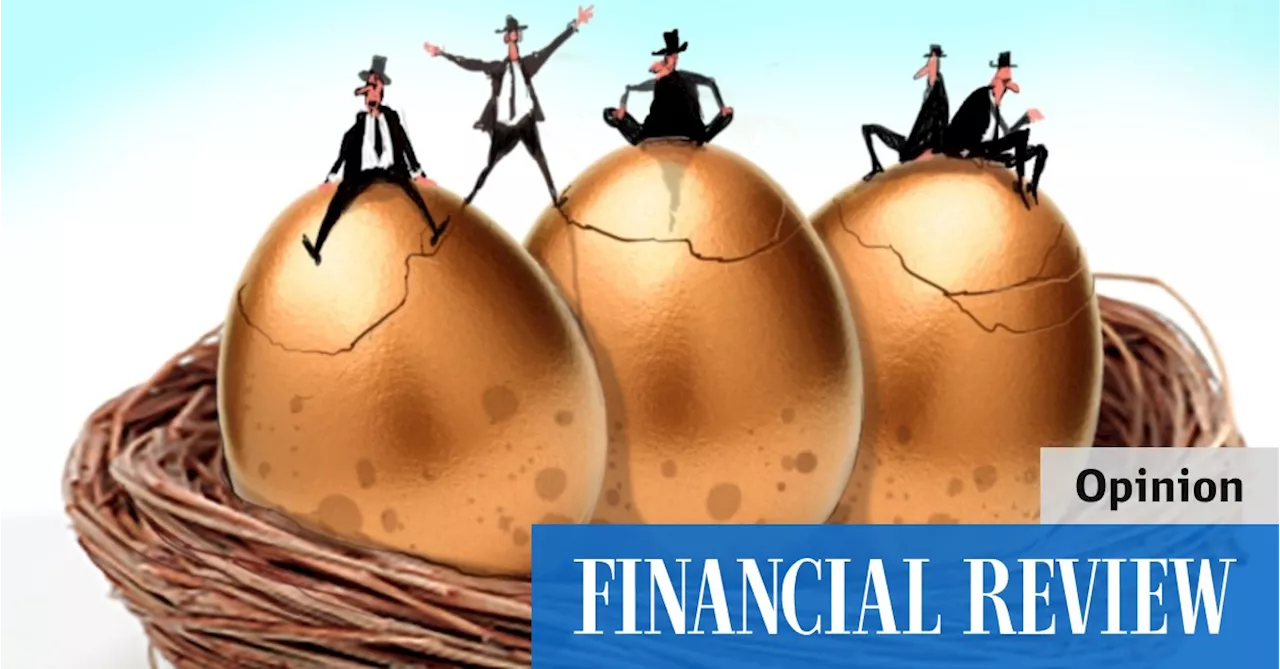 Superannuation: Why this fundie says benchmark hugging hurts super fundsLondon-based Stafford Capital boss Angus Whiteley says the superannuation sector’s performance test regime risks short-term thinking.
Read more »
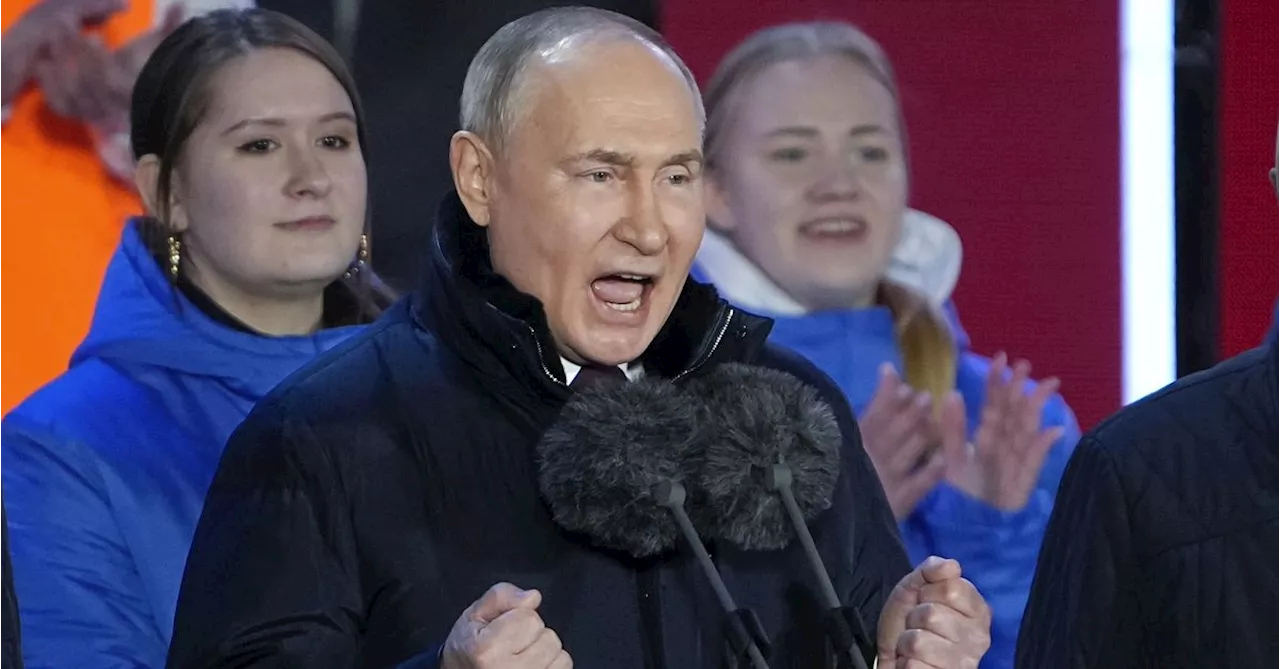 Vladimir Putin's sham election shows even strongmen can have fragile egosIf you have absolute power, why go through the theatrics of a people&x27;s vote?
Read more »
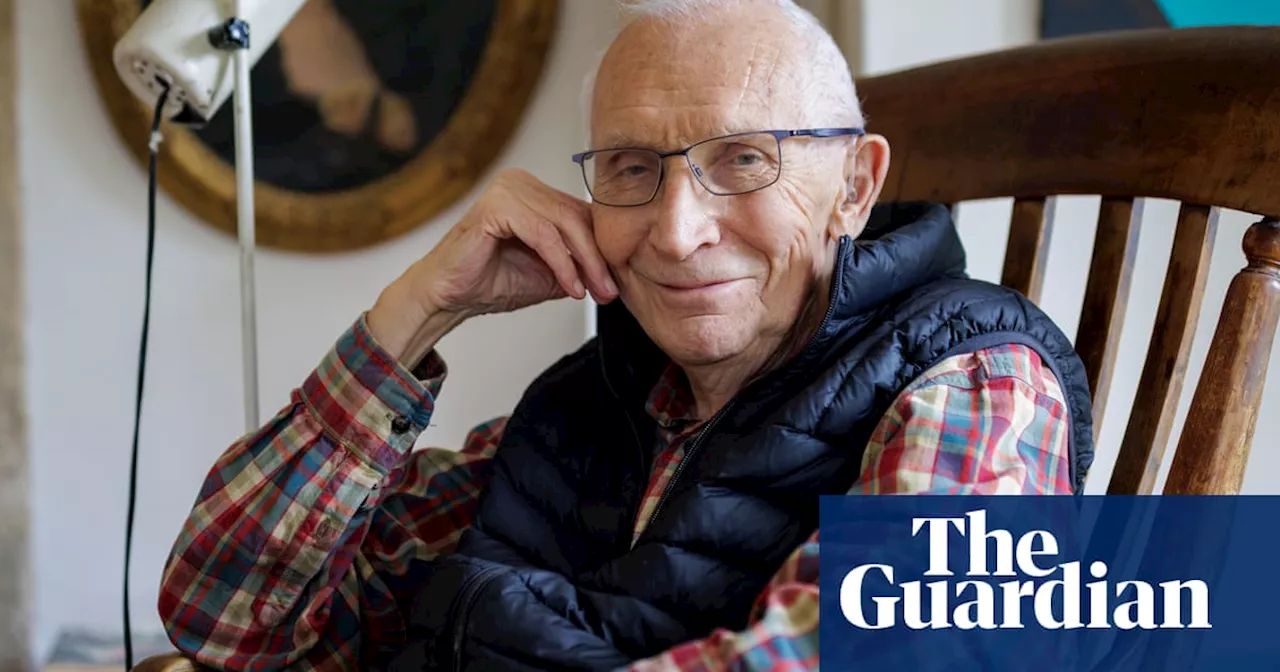 David Hampton on painting and memorising poetry at 97: ‘Anyone creative is more likely to live longer’In his first ever interview, the artist talks about a life spent making dazzling pictures, why he’s not bitter about being undiscovered, and why his art school ‘didn’t get’ Matisse
Read more »